“AI is probably the most important thing humanity has ever worked on. More profound than electricity or fire.”
Sundar Pichai
CEO, Google (2018 World Economic Forum)

Practical Thoughts for Ministry Leaders
“AI is probably the most important thing humanity has ever worked on. More profound than electricity or fire.”
Sundar Pichai
CEO, Google (2018 World Economic Forum)
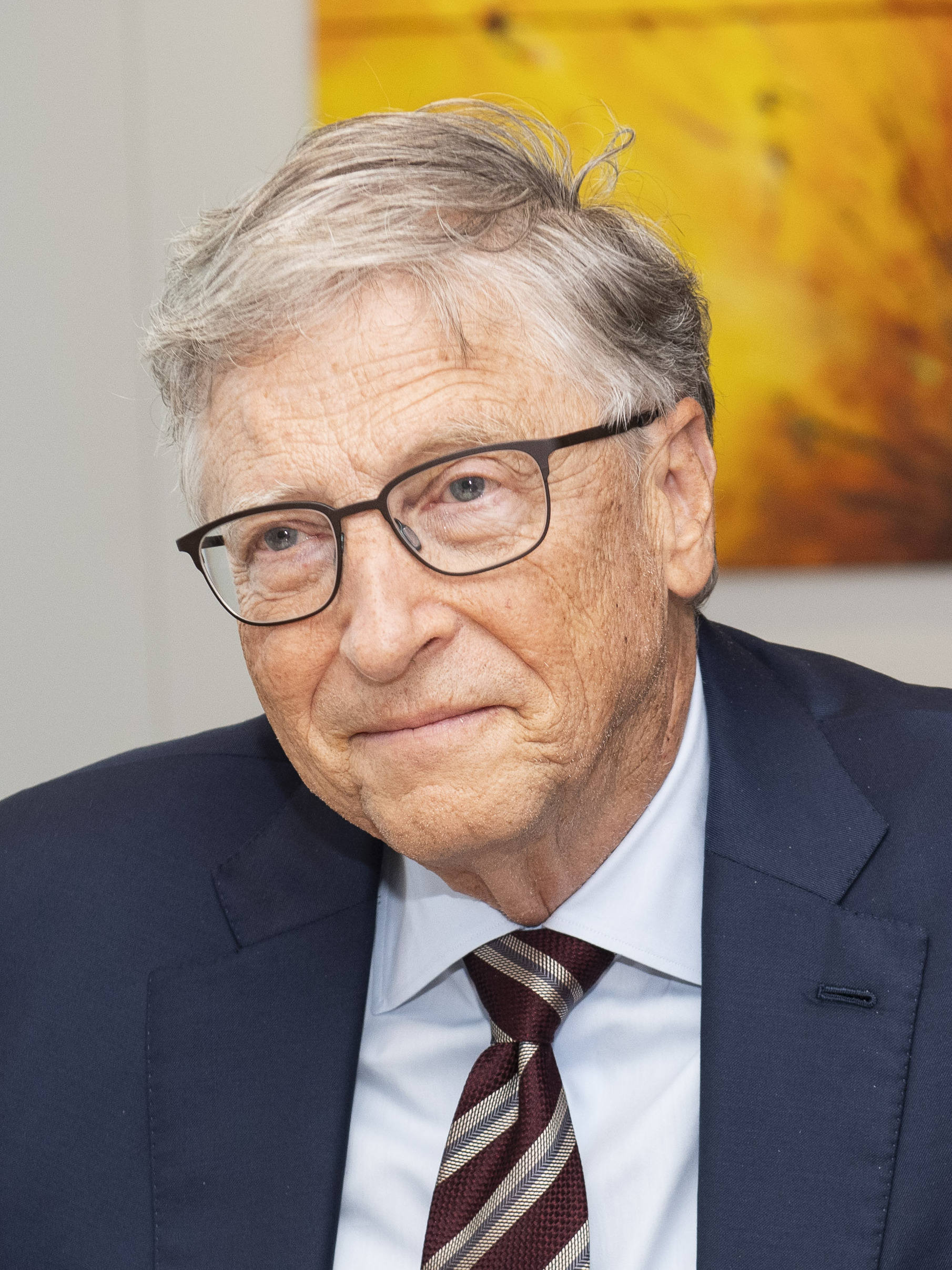
“The development of AI is as fundamental as the creation of the microprocessor, the personal computer, the Internet, and the mobile phone… Entire industries will reorient around it. Businesses will distinguish themselves by how well they use it.”
Bill Gates
Philanthropist, Founder and former CEO of Microsoft
“AI is revolutionizing our world, including Christian ministry, at such a rapid pace that many feel overwhelmed and fearful… the church must think deeply about what these tools are doing for us and to us as humans.”
The Brentwood Statement
on Artificial Intelligence and Christian Ministry

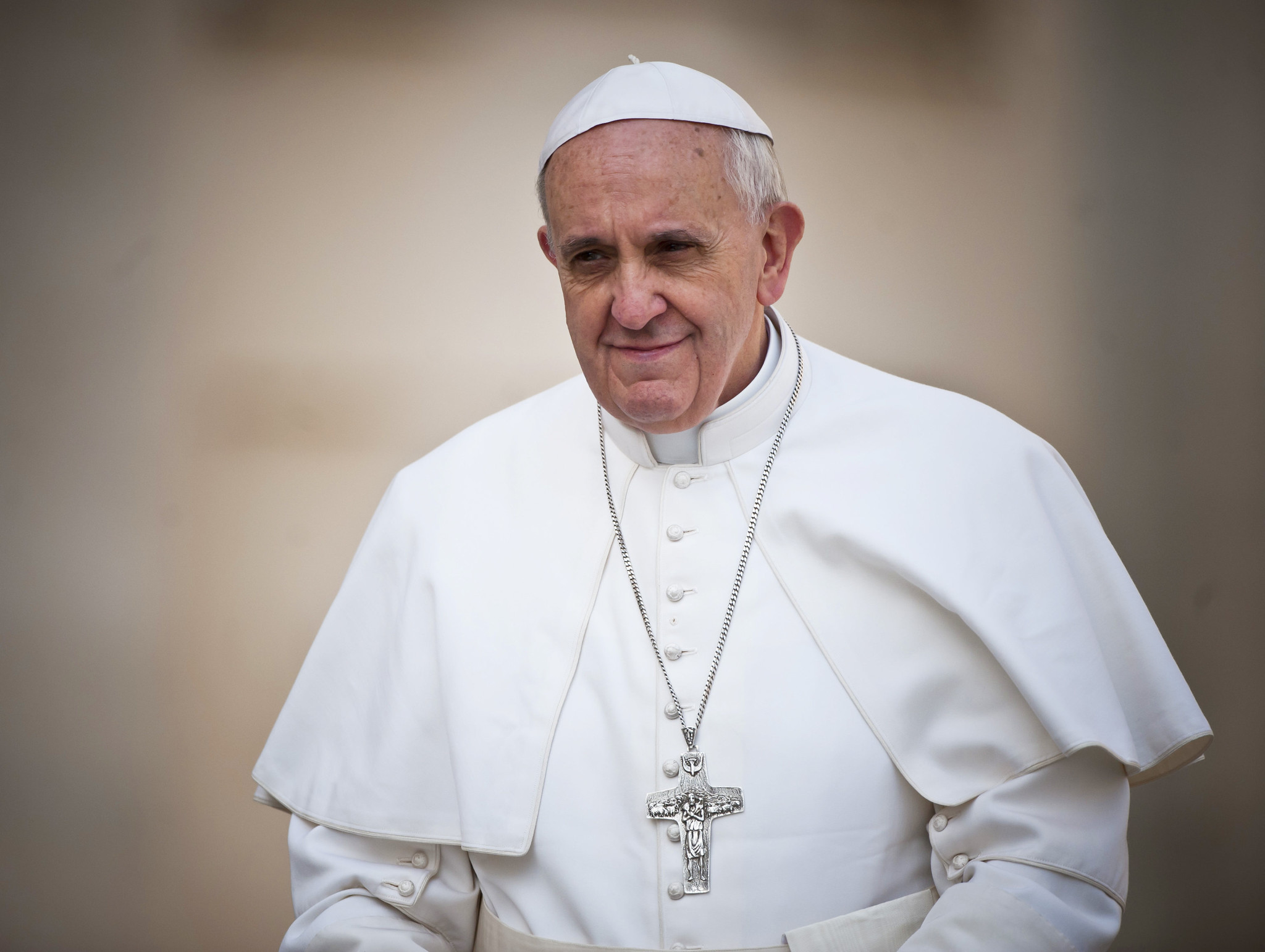
“At this time in history, which risks becoming rich in technology and poor in humanity, our reflections must begin with the human heart.”
Pope Francis
58th World Communications Day Message
“The heart is deceitful above all things, and desperately sick; who can understand it?”
Jeremiah 17:9, ESV

Artificial Intelligence is software that learns from examples instead of following hand-written rules.
Until recently, all AI was “narrow”: great at one thing, useless at everything else. Then, something changed.
This wave of automation is hitting knowledge work in broader waves than we’ve seen with traditional computing, and it’s moving incredibly fast.
Text is broken into chunks called tokens
Tokens become numbers, the only thing computers actually understand
Similar meanings end up near each other in that space, learned from billions of sentences
Computed across hundreds of layers → deep contextual understanding
Your entire ChatGPT conversation = this one operation, extremely fast. It’s the world’s most sophisticated autocomplete
Ask it the same question twice, get two different answers, and it always sounds confident.
The model only knows what you’ve told it in this conversation. Ambiguity gets filled in for you.
It sounds human and even says “I think,” but it doesn’t think, feel, or empathize.
It’s trained to tell you what you want to hear, not necessarily what’s true or helpful.
It’s moving from chatbot to co-worker, taking real action on our behalf.
Voice and intent will increasingly replace pointing, clicking, and typing.
AI is most powerful when it amplifies experience and expertise you already have.
Use AI to brainstorm and review, but own the ideas, the decisions, and discernment.
Assume what you give an AI tool trains it, unless you have specific guarantees otherwise.
Use organization-issued tools for church or school work; they’re protected and configured for you.
AI has real biases, shaped by its training data and the choices of its creators.
If AI can now do the “thinking” work only humans could do, what happens to our sense of self-worth?
AI offers the appearance of relationship without its substance. Will it crowd out real human connection?
AI puts us one more step removed from the source. Who decides how it answers questions of faith?
Easy answers can mean less wrestling, less synthesis, and lazier thinking.
Let AI reduce administrative toil so we have more room for relational, personal ministry.
In a rapidly changing world, we’re anchored in a Gospel and a Christ who is the same yesterday, today, and forever.
Don’t force a false choice between “all in” and “never.” Wrestle with it together as a community.
Lean into AI as a tool to expand your impact, reduce administrative toil, and play to your strengths.
Distinguish work that requires automation from work that requires formation; lean fully into AI for the former, be cautious with the latter.
Don’t allow AI to replace the things that only you can truly do.